

Do You Need Travel Insurance for Malaysia? U.S. Traveler Guide
tripsaver9 8 min read
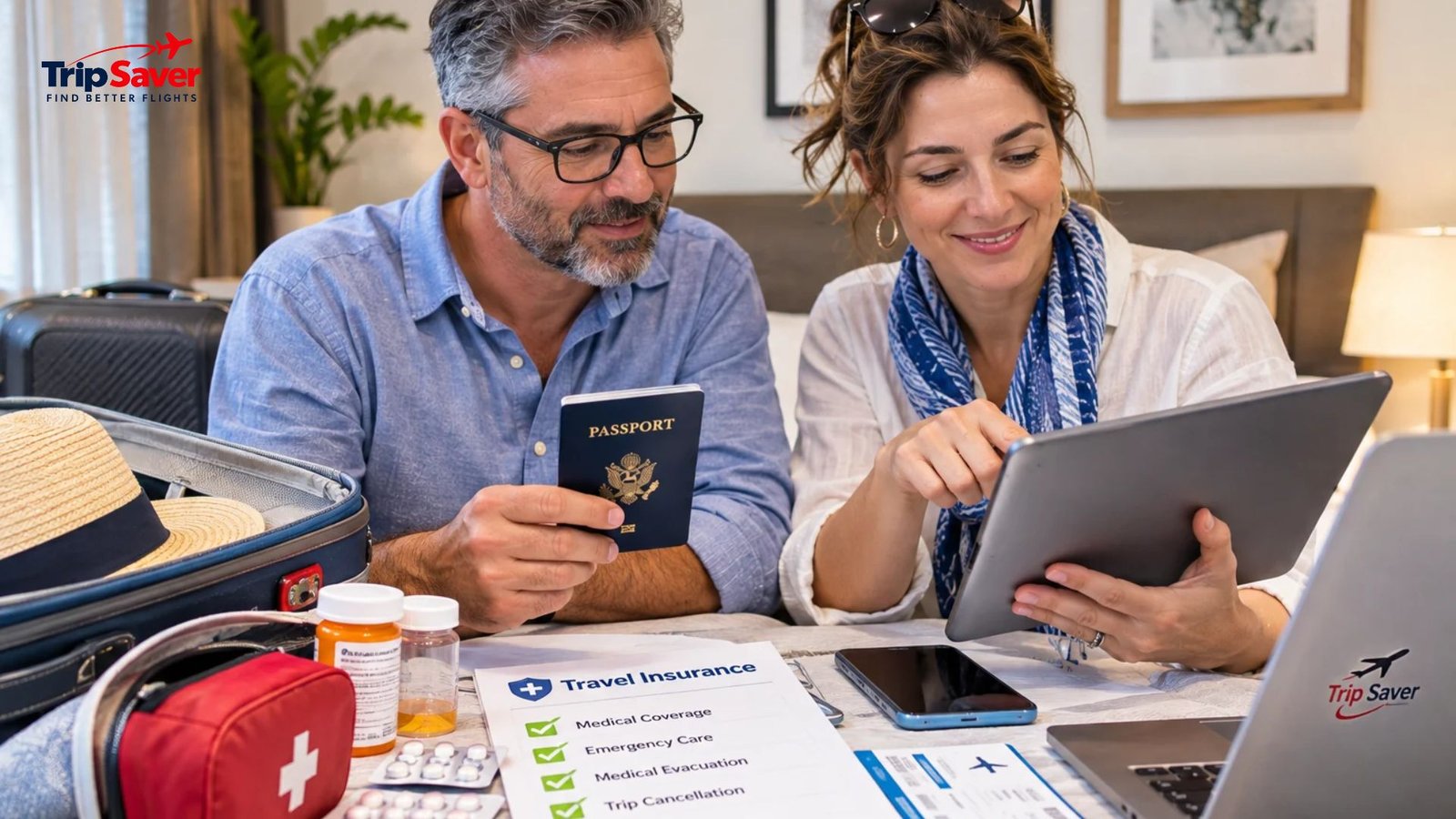
Do You Need Travel Insurance for Malaysia? What U.S. Travelers Should Know
You’ve booked your flight to Malaysia. Your bags are ready. Kuala Lumpur is on your screen.
Then you start thinking:
“But what happens if I get sick or injured after I arrive?”
Nobody wants to think about getting sick on vacation.
But here’s the thing: planning for a medical problem doesn’t mean you expect one. It simply means you don’t want a small problem to become a huge financial or logistical headache.
For U.S. travelers, this is especially important because your regular health insurance may not work the way you expect once you leave the United States.
So before you fly to Malaysia, let’s break down what you actually need to know.
🏥 The Problem: What If Something Goes Wrong?
Imagine you’re halfway through your Malaysia trip.
You wake up feeling seriously unwell.
Or you have an accident.
Or you need to visit a hospital.
Your first question probably won’t be:
“Which tourist attraction should I visit today?”
It’ll be:
“How much is this going to cost me?”
And that’s where preparation matters.
The U.S. Department of State says that most U.S. health insurance plans do not cover medical expenses abroad. It also states that Medicare and Medicaid do not cover medical expenses outside the United States.
That means you should not assume that your normal U.S. health coverage will automatically follow you to Malaysia.
💳 Medical Care in Malaysia Isn’t Automatically Free
Malaysia has healthcare facilities throughout the country, particularly in major cities such as Kuala Lumpur.
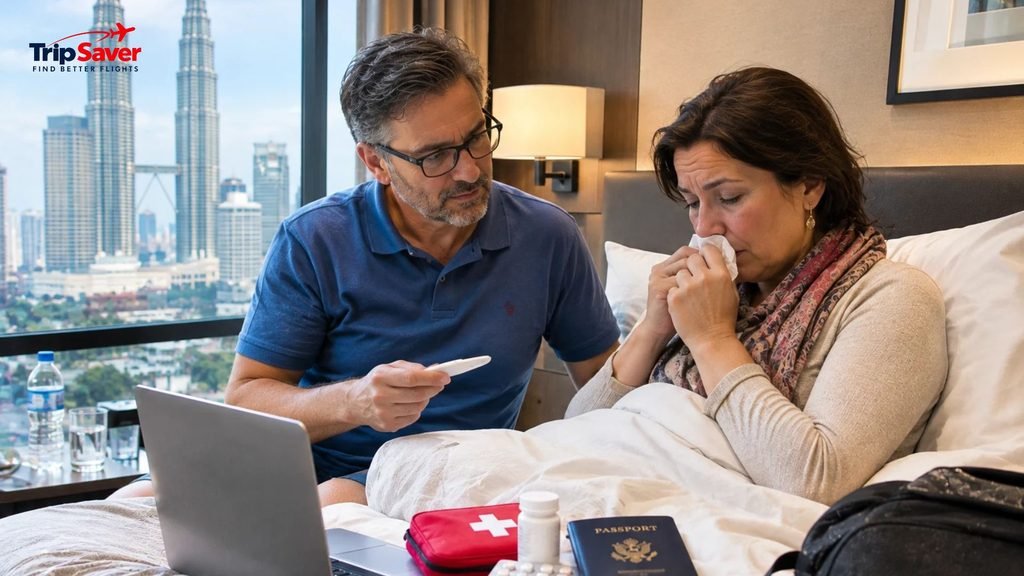
But medical treatment still costs money.
The U.S. Department of State notes that travelers are responsible for medical treatment costs in Malaysia and that hospitals may require payment upfront before treatment or admission. It also warns that credit card payment may not always be available.
That changes the way you should think about travel preparation.
It’s not only about finding a cheap flight.
It’s also about making sure you have a backup plan if something unexpected happens.
🛡️ So, Do You Need Travel Insurance?
For many U.S. travelers, travel insurance with appropriate medical coverage is worth considering, especially for international trips.
The U.S. Department of State recommends buying travel medical insurance before traveling and considering medical evacuation coverage.
But don’t just buy the first policy you see.
Different policies cover different things.
That’s the important part.
🔎 What Should You Look for in a Policy?
When comparing travel insurance, look beyond the big headline that says:
“Travel Insurance — $X Million Coverage.”
Read the actual policy.
Look for coverage related to:
- Emergency medical treatment
- Hospitalization
- Emergency medical transportation
- Medical evacuation
- Trip cancellation
- Trip interruption
- Lost or delayed baggage
- Travel delays
- 24-hour emergency assistance
The U.S. Department of State recommends checking whether a policy covers emergency medical care, medical transportation back to the United States, the length and destination of your trip, and activities you plan to do.
In other words:
Don’t buy the label. Buy the coverage you actually need.
✈️ Medical Evacuation Is the Part Many Travelers Forget
This is one of the biggest points travelers overlook.
Getting treatment locally is one thing.
But what happens if doctors determine that you need specialized treatment or transportation to another facility?
Medical evacuation can become extremely expensive.
The U.S. Department of State notes that an air ambulance to the United States can cost roughly $20,000 to $200,000, depending on factors such as location and medical condition.
That’s why medical evacuation coverage deserves special attention when comparing policies.
You’re not buying it because you expect the worst.
You’re buying it because the worst-case scenario is exactly what can become financially overwhelming.
📋 What About Your Existing U.S. Health Insurance?
Don’t guess.
Call your insurance company before you travel.
Ask very specific questions:
“Am I covered in Malaysia?”
“Are emergency hospital visits covered?”
“Do I pay first and get reimbursed later?”
“Is emergency transportation covered?”
“Do I need pre-authorization?”
“What documents do I need if I make a claim?”
The U.S. Department of State recommends checking your health plan carefully before traveling and taking your insurance card and relevant claim forms if your plan provides coverage abroad.
A five-minute phone call before your trip can be worth far more than you think.
💊 Don’t Forget Your Prescription Medication
If you take prescription medication, this is another area where preparation matters.
The CDC recommends bringing the medicines you expect to need, including extra medication in case your trip is delayed. It also recommends checking whether your prescription medicines are legal to bring into Malaysia.
Keep medications in their original packaging.
And carry the relevant prescription or documentation from your healthcare provider when appropriate.
If you take an important medication regularly, don’t make your travel plan depend on finding the same medication after landing.
🧳 Build a Small “Health Backup” Kit
You don’t need to turn your suitcase into a pharmacy.
Keep it practical.
A small travel health kit could include:
- Regular prescription medication
- Basic first-aid supplies
- Any personal medical documents you need
- Health insurance information
- Emergency contact details
- Copies of important prescriptions
- Hand sanitizer
- Any personal items recommended by your healthcare provider
The CDC also recommends carrying information about serious allergies, medications, and relevant medical conditions when appropriate.
📍 Know Where You Can Get Help
Before leaving the U.S., save the contact information for your insurance provider and travel assistance service.
It’s also smart to know where major hospitals or medical facilities are located around your destination.
The CDC recommends planning ahead for how you will obtain healthcare during travel and keeping a list of local doctors and hospitals.
And if you’re traveling outside Kuala Lumpur or major urban areas, remember that access to medical care can take longer.
The U.S. Department of State specifically notes that serious injuries or illness in more remote parts of Malaysia may take longer to receive appropriate medical assistance.
🚨 What If It’s an Emergency?
In Malaysia, 999 is the emergency services number.
The U.S. Department of State notes that calling 999 connects travelers with government emergency services. It also advises that private hospitals can be contacted directly for emergency care.
Save the number in your phone before your trip.
You probably won’t need it.
But if you do, you’ll be very glad it’s already there.
🌏 What About Travel Health Risks?
This article isn’t here to scare you.
Malaysia is a major international tourism destination, and the CDC currently lists Malaysia at Level 1 — Practice Usual Precautions on its traveler health page.
But different parts of Malaysia can involve different health considerations.
The CDC provides destination-specific information about vaccines, mosquito-borne illnesses, food and water precautions, and other health considerations.
So instead of searching random travel forums the night before your flight, check the official guidance before you leave.
🧠 The Smart U.S. Traveler’s Checklist
Before flying to Malaysia, take a few minutes to check these boxes:
✔ Check your U.S. health insurance
Find out whether you have any overseas coverage.
✔ Consider travel medical insurance
Especially if your normal health insurance provides limited or no overseas coverage.
✔ Look for medical evacuation coverage
Don’t assume your regular insurance covers transportation back to the U.S.
✔ Check your medications
Bring enough for your trip and check Malaysia’s rules for your prescriptions.
✔ Save emergency numbers
Keep important contacts in your phone and somewhere offline.
✔ Save your insurance documents
Keep digital and physical copies where practical.
✔ Know where you can get medical help
Especially if you’re traveling outside major cities.
✔ Keep some emergency money available
Because hospitals may require payment upfront and card payment may not always be available.

✈️ Don’t Let One Unexpected Problem Ruin Your Trip
Here’s the big idea:
Travel insurance isn’t about expecting something bad to happen.
It’s about making sure that if something does happen, you have options.
You’ve already spent time comparing flights, choosing your dates, planning your hotel, and figuring out what to see in Malaysia.
Give the same attention to the boring stuff.
Because the boring stuff is often what saves you when something unexpected happens.
And remember: your insurance needs depend on your personal circumstances, existing coverage, trip plans, and activities. Always read the policy terms carefully and confirm coverage directly with the insurer.
✈️ Ready to Plan Your Malaysia Trip?
Once the health and safety side is handled, you can focus on the fun part.
Finding the right flight.
Trip Saver can help you compare flight options and plan your journey to Malaysia without making the process unnecessarily complicated.
If you’re still researching Malaysia, start with our Cheap Flights to Malaysia: A Complete Travel Guide.
Planning to land in Kuala Lumpur? Check our Malaysia Travel Guide for destination ideas and practical travel information.
Flying from Los Angeles? Our Cheap Flights from Los Angeles to Kuala Lumpur guide can help you understand your route and connection options.
And when you’re ready to compare flights, use Trip Saver Flights to start searching.
Plan smart. Compare better. Travel with confidence.
Final Takeaway
You don’t need to spend your vacation worrying about hospitals, insurance, or worst-case scenarios.
You just need to prepare before you leave.
Check your insurance.
Understand your coverage.
Consider travel medical and medical evacuation insurance.
Bring your medications properly.
Save emergency contacts.
And then?
Go enjoy Malaysia. 🇲🇾✈️
Travel information can change. Always verify current entry, health, insurance, and medical requirements with official sources before traveling. This article is for general travel information only and is not medical, legal, or insurance advice.
Affiliate Disclosure: Some links on Trip Saver may be affiliate links. If you make a qualifying booking through an affiliate link, Trip Saver may earn a commission at no additional cost to you. Prices, availability, and booking conditions may change.
- #Kuala Lumpur
- #Malaysia Travel
- #Malaysia travel tips
- #Medical Evacuation
- #Travel Health
- #travel insurance
- #U.S. Travelers
Cheap flights from your city
Lowest fares found by travelers in the last 48 hours.

Community Thoughts
No comments yet
Be the first to share your thoughts, tips, or questions about this article!