

Best Time to Visit Malaysia: U.S. Traveler Weather Guide | Trip Saver
tripsaver9 8 min read

Best Time to Visit Malaysia: How U.S. Travelers Can Plan Around Rainy Season
Planning a trip to Malaysia from the U.S.? Before you book your flight, there’s one thing you really need to think about: the weather.
Malaysia is warm, humid, and rainy throughout much of the year. That doesn’t mean you should avoid the rainy season. In fact, rain can be completely manageable if you choose the right destination, plan your activities around the weather, and know what to expect.
The bigger mistake is assuming that Malaysia has one simple “rainy season.”
It doesn’t.
The weather can be very different between Kuala Lumpur, the west coast, the east coast, Sabah, and Sarawak.
So, if you’re looking for the best time to visit Malaysia from the U.S., the answer depends on where you’re going and what you want to do.
So, What Is the Best Time to Visit Malaysia?
For many first-time U.S. travelers, December through February can be a comfortable period for exploring Kuala Lumpur and much of the west coast of Peninsular Malaysia.
But there’s an important catch.
Malaysia’s Northeast Monsoon runs from November through March and brings heavier rain to the east coast, including Kelantan, Terengganu, and Pahang. The Southwest Monsoon generally runs from late May through September and is relatively drier across much of the country.
That means your “best month” depends heavily on your itinerary.
If your trip is mainly Kuala Lumpur, Penang, Langkawi, and the west coast, your planning can look very different from someone heading to east-coast islands.
Malaysia’s Weather Isn’t the Same Everywhere
This is where many first-time visitors get confused.
You may see a weather warning about heavy rain in one part of Malaysia and assume the entire country will be soaked.
That’s not necessarily the case.
Malaysia has different rainfall patterns depending on location. The Malaysian Meteorological Department explains that the Northeast Monsoon particularly affects the east coast, while the Southwest Monsoon is relatively drier across much of the country.
For a U.S. traveler, that means you shouldn’t choose your travel dates based on the word “Malaysia” alone.
Instead, ask:
Where in Malaysia am I going?
Kuala Lumpur
If Kuala Lumpur is your main destination, you can visit throughout the year.
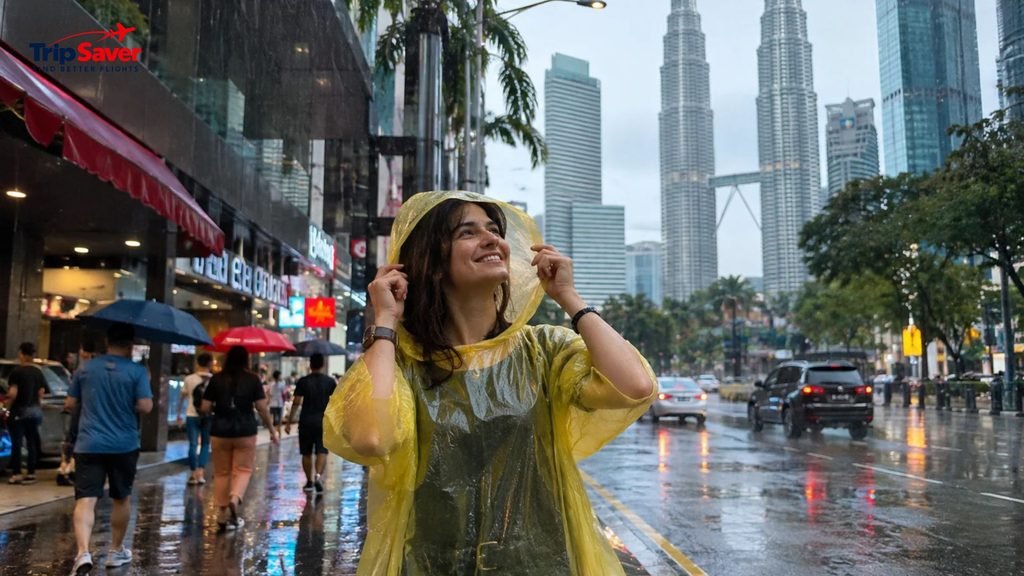
You should expect heat, humidity, and occasional heavy thunderstorms. Rain doesn’t necessarily mean an entire day is ruined.
A storm can arrive quickly, pour heavily, and then move on.
That makes flexible daily planning extremely useful.
West Coast
Destinations such as Penang and Langkawi can have different rainfall patterns from Malaysia’s east coast.
Tourism Malaysia notes that rainfall can be particularly heavy along parts of the west coast during certain months, including September through December.
So if your dream trip involves beaches, outdoor tours, and island activities, check the specific destination rather than relying on a generic Malaysia weather forecast.
East Coast
This is where timing becomes much more important.
The Northeast Monsoon from November to March brings heavy rainfall to parts of the east coast. Flash floods and river overflows can occur during this period.
If you’re planning a beach-focused trip to destinations on the east coast, research the local conditions carefully before booking.
Is the Rainy Season Really That Bad?
Not necessarily.
This is probably the biggest misconception about traveling to Malaysia.
Rain doesn’t automatically mean:
“Don’t go.”
It means:
“Plan differently.”
Malaysia’s tropical climate means rainfall is part of normal life. The Malaysian Meteorological Department describes the country as having high humidity, significant rainfall, and generally warm temperatures throughout the year.
For travelers, the trick is to build some flexibility into your itinerary.
Instead of scheduling a five-hour outdoor tour every afternoon, consider mixing indoor and outdoor activities.
For example:
Morning: sightseeing or outdoor activities
Afternoon: shopping, museums, cafés, or indoor attractions
Evening: restaurants, markets, or city exploration
That way, a heavy afternoon shower doesn’t completely destroy your plans.
How Weather Can Affect Your Flight Planning
Weather isn’t only about what happens after you arrive.
It can also affect how you plan your airfare.
When you’re searching for cheap flights to Malaysia, don’t look at airfare alone.
Compare your travel dates with the weather conditions at your destination.
Sometimes moving your trip by a few days can give you a better combination of:
- Flight price
- Weather
- Hotel availability
- Crowds
- Activities
- Overall travel experience
If you’re still comparing airfare options, check Trip Saver’s guide to How to Find the Best Flight Deals Online.
You can also use Cheap Flights to Malaysia: A Complete Travel Guide when comparing your overall trip plan.
Don’t Assume the Cheapest Month Is the Best Month
Here’s a mistake travelers make all the time.
They find a cheaper airfare and immediately think:
“Perfect. That’s when I should go.”
Not so fast.
A cheaper flight can become less attractive if your destination is experiencing poor weather, some tours are unavailable, or your beach plans are constantly interrupted.
On the other hand, paying a little more for dates that fit your itinerary better may make the entire trip more enjoyable.
The goal isn’t simply to find the cheapest airfare.
It’s to find the best overall trip value.
That’s exactly why comparing flight prices should be part of your planning process.
For another useful strategy, check 5 Smart Ways to Compare Flight Prices.
What Should U.S. Travelers Pack for Malaysia’s Weather?
Keep your luggage practical.
You don’t need to pack like you’re preparing for a hurricane.
For most trips, consider bringing:
- Lightweight breathable clothing
- Comfortable walking shoes
- A compact umbrella
- Lightweight rain jacket or poncho
- Quick-drying clothing
- Sunscreen
- Sunglasses
- A small day bag
- Waterproof protection for electronics
Malaysia Tourism also recommends lightweight clothing because of the country’s warm tropical climate.
And don’t forget that air conditioning can be strong in shopping malls, hotels, restaurants, and airports.
A lightweight layer can be surprisingly useful.
What About Haze and Air Quality?
Weather isn’t the only seasonal issue worth knowing.
The U.S. Department of State notes that air quality in Malaysia can fluctuate seasonally, with haze typically more severe from August through October because of agricultural and forest fires.
If you’re sensitive to air quality or planning lots of outdoor activities, check the forecast closer to your departure date.
Don’t make the mistake of planning everything months in advance and never checking conditions again.
Weather forecasts become much more useful as your departure gets closer.
Should You Avoid Malaysia During the Rainy Season?
For most travelers, there is no simple yes-or-no answer.
If your trip is focused on Kuala Lumpur and urban attractions, rain may be much easier to manage than you expect.
If you’re planning a beach-heavy itinerary on the east coast during the Northeast Monsoon, however, weather deserves much more attention.
The key is to match the destination + season + activities.
That’s a much smarter strategy than simply searching for “best month to visit Malaysia.”
A Simple Way to Choose Your Travel Dates
Before you book your flight, answer these five questions:
1. Where am I going?
Kuala Lumpur? Penang? Langkawi? East-coast islands? Sabah? Sarawak?
2. What do I want to do?
City sightseeing? Beaches? Hiking? Wildlife? Food? Shopping?
3. How flexible are my dates?
Can you move your trip by several days or a week?
4. How important is weather to you?
Some travelers don’t mind rain. Others want maximum sunshine.
5. Is the airfare saving worth the trade-off?
If you’re saving money but sacrificing the activities you actually wanted to do, the “cheap” flight may not be the best choice.
For more money-saving ideas, see 7 Simple Ways to Save Money on Flights.
The Best Strategy: Plan for Flexibility
You don’t need perfect weather to have an amazing trip to Malaysia.
You need a plan that can adapt.
Check the weather before booking.
Check it again a few weeks before departure.
Then check the forecast again during your trip.
And most importantly, don’t build your entire vacation around one outdoor activity on one specific day.
Give yourself options.
That’s especially important in a tropical country where weather can change quickly.

Final Thoughts
So, what’s the best time to visit Malaysia?
There isn’t one universal answer.
For U.S. travelers, the smarter approach is to choose your travel dates based on where you’re going, what you want to do, and how much weather flexibility you have.
Kuala Lumpur and other west-coast destinations can be visited year-round, although rainfall patterns vary. The east coast deserves more careful planning during the Northeast Monsoon from November to March.
And remember: a rainy forecast doesn’t automatically mean a bad vacation.
Sometimes the smartest travel plan isn’t the one with perfect weather.
It’s the one where you know what to expect.
Before booking your next flight, compare your dates, check the weather, and look beyond the cheapest airfare.
Search smarter. Compare better. Save more. Then enjoy Malaysia.
- #best time to visit Malaysia
- #cheap flights to Malaysia
- #Kuala Lumpur weather
- #Malaysia monsoon
- #Malaysia rainy season
- #Malaysia Travel
- #Malaysia weather
- #U.S. Travelers
Cheap flights from your city
Lowest fares found by travelers in the last 48 hours.
[…] If you want more detailed planning help, check Best Time to Visit Malaysia: U.S. Traveler Weather Guide. […]
[…] you’re comparing your overall Malaysia trip, our guide to the best time to visit Malaysia for U.S. travelers can also help you think about weather and timing before […]