

eSIM vs SIM Card in Malaysia: What Should U.S. Travelers Choose?
tripsaver9 6 min read
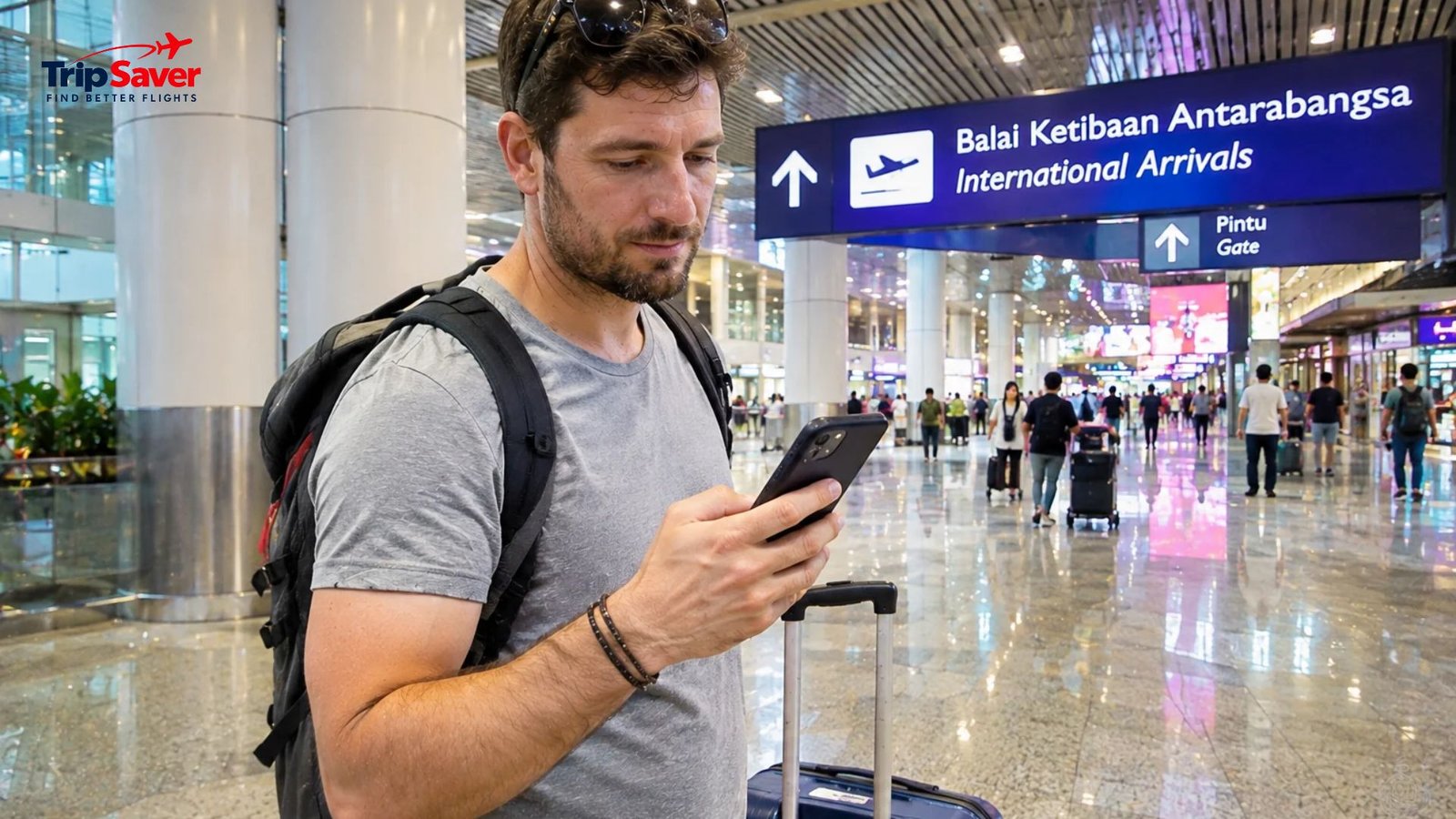
eSIM vs. SIM Card in Malaysia: What Should U.S. Travelers Choose?
Landing in Malaysia after a long flight is exciting — until you turn on your phone and see a roaming message that makes you wonder:
“Wait… how much is this going to cost me?”
For travelers from the United States, staying connected in Malaysia is no longer a luxury. You’ll probably need internet for Google Maps, Grab, WhatsApp, restaurant searches, hotel directions, translation, flight updates, and staying in touch with family and friends.
The good news? You have options.
The two most practical choices are a travel eSIM or a local Malaysian SIM card. The right one depends on your phone, how long you’re staying, how much data you need, and how much convenience matters to you.
Let’s break it down.
eSIM vs. SIM Card: What’s the Difference?
An eSIM is a digital SIM built into your phone. You don’t need to physically insert a card. If your phone supports eSIM, you can usually activate your plan digitally and keep your physical SIM in the phone.
A traditional SIM card, on the other hand, is a physical card that you insert into your phone.
For a U.S. traveler, both can work well in Malaysia. The real question is:
Which one makes your trip easier?
Option 1: Use an eSIM
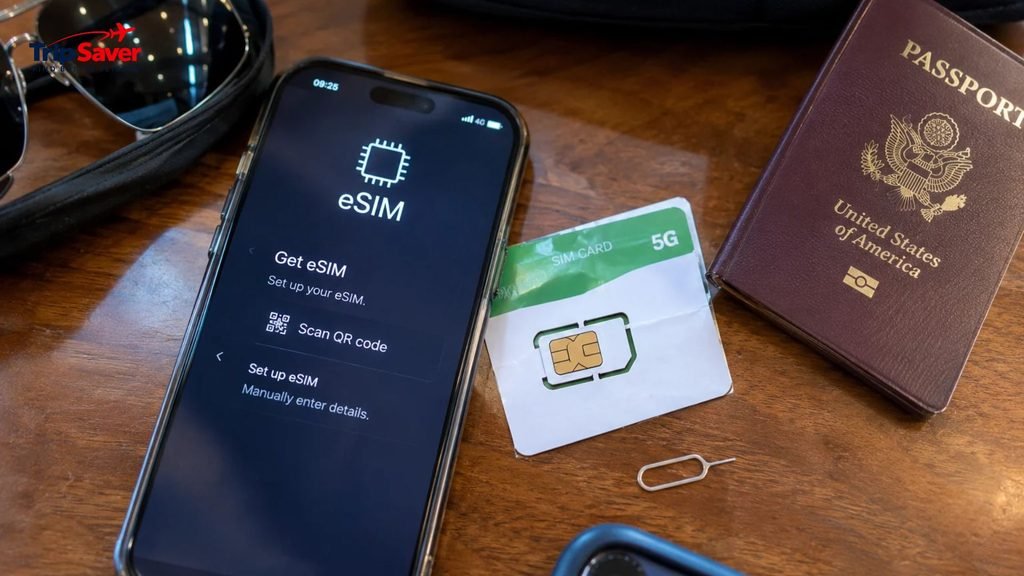
For many American travelers, an eSIM is the easiest option.
You can arrange your mobile data before leaving the United States, so you don’t have to search for a SIM shop after landing.
That can be a big advantage when you’ve just spent 20+ hours traveling and all you want to do is get to your hotel.
For example, Maxis says its Hotlink Prepaid eSIM is available for short-term tourists and visitors, including travelers using eSIM-only iPhones. Its tourist eSIM can be purchased through the Hotlink App and activated using a QR code sent by email.
That means you can potentially have your Malaysian data connection ready before you even leave the airport.
Why U.S. travelers may prefer eSIM
No physical card to lose.
No need to find a mobile store immediately after landing.
You can keep your U.S. physical SIM in your phone.
You can prepare before your trip.
Activation can be quick once you have Wi-Fi or the required connection.
This is especially useful if your phone supports dual-SIM functionality.
Option 2: Buy a Local SIM Card
A local Malaysian SIM can also be a great choice, especially for travelers who want a local prepaid plan or need a large amount of data.
Malaysia has several major mobile operators offering tourist-oriented plans.
For example, CelcomDigi currently offers a dedicated Tourist SIM for non-Malaysian passport holders. Its tourist plans include 7-, 14-, 30-, and 90-day options, with data allowances and other benefits depending on the plan.
This can make a physical SIM attractive if you’re staying longer or want a straightforward local mobile package.
The downside?
You need to purchase and register the SIM, and you’ll have another physical card to manage.
So… Which One Should You Choose?
Here’s the simple version.
Choose an eSIM if:
- Your phone supports eSIM.
- You want internet as soon as possible.
- You don’t want to visit a mobile store.
- You want to keep your U.S. SIM in the phone.
- You’re traveling for a relatively short period.
- You prefer preparing everything before departure.
Choose a local SIM if:
- Your phone doesn’t support eSIM.
- You want a local Malaysian mobile plan.
- You need a lot of data.
- You’re staying for several weeks or longer.
- You don’t mind buying and registering a physical SIM.
There isn’t one universal winner.
The best option is the one that fits your phone and travel style.
Don’t Forget to Check Your Phone Before You Fly
This is one of the easiest mistakes to avoid.
Before buying an eSIM, check whether your phone supports eSIM and whether it is carrier-unlocked.
A phone can support eSIM technology and still be restricted by the carrier.
If you’re using an iPhone, Samsung Galaxy, Google Pixel, or another modern device, check your exact model rather than assuming it will work.
For example, Maxis lists supported Apple, Samsung, Google Pixel, and other devices on its eSIM information page.
Do this before you buy anything.
It takes a few minutes and can save you a serious headache after landing.
Don’t Rely on Your U.S. Carrier’s Roaming Without Checking the Cost
Your U.S. phone plan may offer international roaming, but don’t automatically assume it’s the cheapest option.
Check:
- Daily roaming fees
- International data limits
- Calling charges
- Texting charges
- High-speed data limits
- Whether Malaysia is included in your plan
Sometimes the convenience is worth it.
Sometimes a Malaysian eSIM or local SIM makes much more financial sense.
The important thing is to compare before you fly, not after your phone starts consuming roaming data.
What About Hotspot and Multiple Devices?
This matters if you’re traveling with a laptop, tablet, or another device.
Some plans allow hotspot use, while others may restrict it or apply different limits.
For example, CelcomDigi’s current Tourist SIM information specifically lists hotspot availability among the plan features.
If you’re planning to work remotely from Malaysia, don’t just look at the headline data allowance.
Check the hotspot policy too.
A plan with plenty of phone data isn’t necessarily the best plan for a laptop.
A Smart Setup for a U.S. Traveler
Here’s a simple strategy that works well for many travelers:
Before leaving the U.S.:
Check your phone’s eSIM compatibility and carrier lock.
Compare your U.S. carrier’s international roaming option with Malaysian eSIM and SIM options.
Choose your plan.
Install or prepare your eSIM if appropriate.
Keep your U.S. SIM available for important calls, texts, or account verification.
After landing in Malaysia:
Turn on the appropriate mobile data line.
Check that mobile data is using the Malaysian plan.
Keep your U.S. line configured carefully to avoid accidental roaming charges.
Test Google Maps, WhatsApp, your browser, and other essential apps.
Then you’re ready to explore.
eSIM or SIM Card? Here’s Our Bottom Line
For many U.S. travelers visiting Malaysia for a vacation, eSIM is the more convenient option if their phone supports it.
You can prepare before departure, avoid searching for a store after a long flight, and keep your physical U.S. SIM available.
But a local SIM can still be an excellent choice, particularly for travelers with incompatible phones, longer stays, or specific local-data needs.
The smartest move isn’t simply choosing the cheapest option.
It’s choosing the option that gives you reliable internet, reasonable cost, and the least amount of hassle.
And that’s exactly how you should approach the rest of your trip too.
Before you book, compare your flight options, connection times, and total travel cost — not just the headline ticket price.
You can start with Trip Saver’s guide to Cheap Flights to Malaysia: A Complete Travel Guide and learn How to Find the Best Flight Deals Online.
If you’re comparing different routes, our guide to Direct vs. Connecting Flights: Which Should You Choose? can also help you decide which itinerary makes the most sense.
Ready to find your flight to Malaysia?
Search your options with Trip Saver and compare before you book.
Important Note
Mobile plans, prices, coverage, eligibility, and activation requirements can change. Always check the provider’s current terms before purchasing.
For official Malaysian immigration information, travelers should use the Malaysian Immigration Department’s official website rather than relying on unofficial arrival-card websites.
Cheap flights from your city
Lowest fares found by travelers in the last 48 hours.
Community Thoughts
No comments yet
Be the first to share your thoughts, tips, or questions about this article!